Your KOLs are shaping opinion every day on digital channels you’re not monitoring. Meanwhile, you’re still flying them in for three-hour meetings and wondering why the model feels broken.
Your advisory board isn’t working. Not because the science is wrong or the advisors aren’t brilliant; they are. It’s failing because you’re treating 2025’s key opinion leader like it’s 2015.
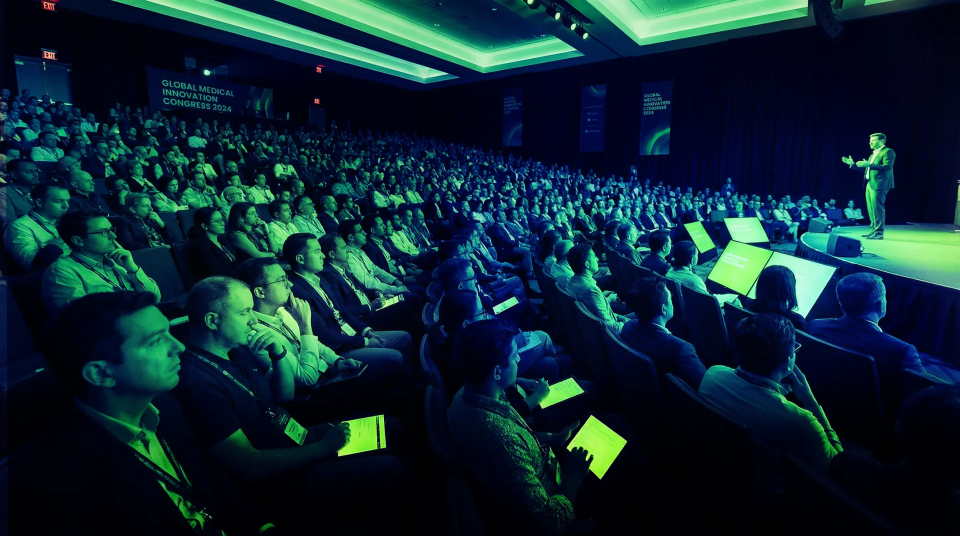
The model hasn’t changed: fly them in, present data, facilitate discussion, send them home. Meanwhile, these same clinicians are building audiences on LinkedIn, publishing real-time commentary on trials, and shaping opinion through channels you’re not eve n monitoring.
Here’s the disconnect: you’re asking for their advice in a room for three hours. They’re giving it to the world, every day, without you.
Attention is the new currency
The advisory boards that work now do three things differently. First, they start online, not in a hotel conference room. Pre-meeting digital engagement means you arrive with momentum, not cold. Second, they create content worth sharing, not just minutes, but video clips, social commentary, quotable insights that advisors want to amplify. Third, they continue beyond the event. A Slack channel. Quarterly virtual check-ins. Ongoing dialogue, not a one-off transaction.
Your competitors are still doing the old model. Your advisors are being polite about it. But attention is the new currency in healthcare communications, and you’re leaving it on the table.
The question isn’t whether advisory boards still matte, they do. It’s whether yours will.